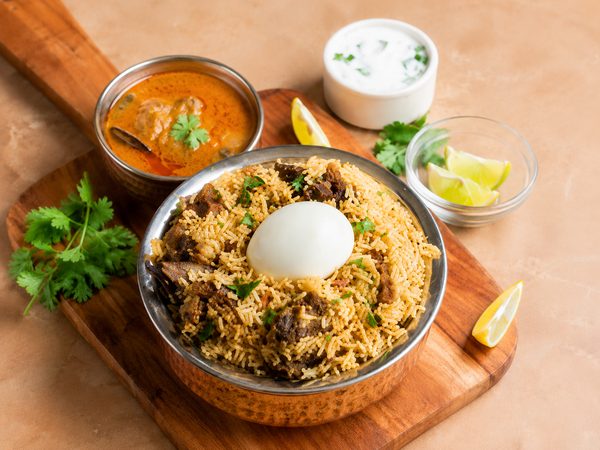
Seeraga samba biryani, Little India. Smaller grain, deeper flavour, cooked dum-sealed until the rice absorbs everything.
Indian Food Goes Much Further Than the Familiar Favourites
Singapore has one of the richest Indian food cultures in Southeast Asia, shaped by more than a century of Tamil, Punjabi, and Malayali heritage. And that heritage goes far beyond the dishes most menus show. Butter Chicken is North Indian. Roti Prata has South Indian roots. Biryani alone has six distinct regional versions, each with a different rice, spice profile, and cooking method.
India is a subcontinent with dozens of regional cooking traditions, each with its own spice language and technique. Coastal Karnataka cooks with coconut milk and dried red chillies. Tamil Nadu reaches for stone flower and tamarind. Punjab centres on butter, cream, and the tandoor. The distance between these kitchens is as wide as the gap between French and Moroccan food.
The strongest Indian restaurants in Singapore know exactly which tradition they cook from. That regional clarity is the first thing worth looking for.
The Four Regional Traditions Worth Knowing
Singapore has a layered Indian food culture built over more than a century of Tamil, Punjabi, and Malayali settlement. These are the four styles most represented here, and what makes each one distinct.
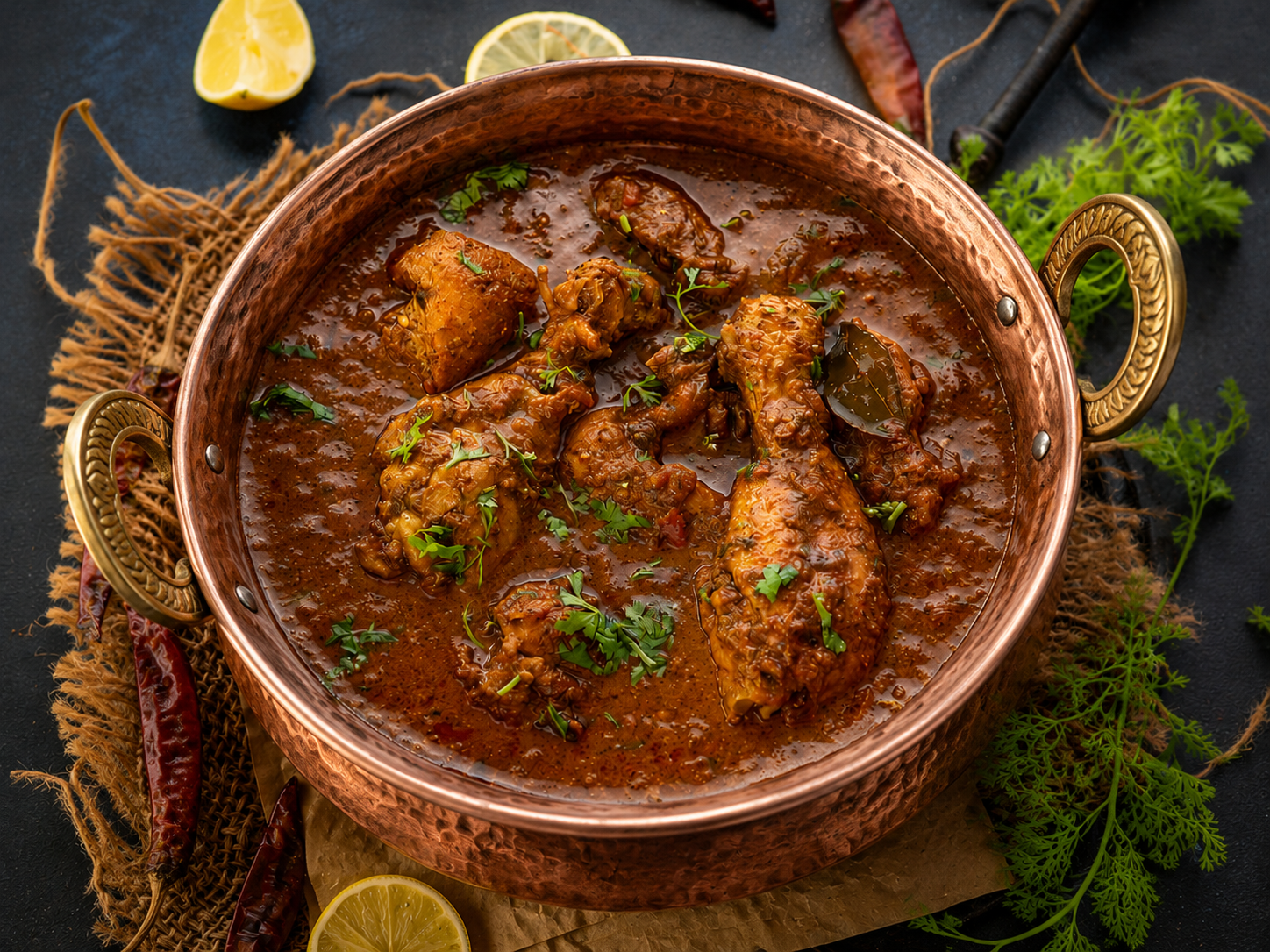
Chettinad Chicken Masala. That deep colour comes from stone flower, dried chillies, and a long, patient cook.
Chettinad
Chettinad cooking from the interior of Tamil Nadu is considered one of the most layered spice traditions in South India. The flavour comes from ingredients rarely found in other kitchens: kalpasi (stone flower), marathi mokku (dried flower pods), and star anise, all ground fresh. The result is a gravy that builds in waves rather than hitting all at once.
The heat is deliberate, the colour is deep, and the meat cooks until the spices have gone all the way through. The Chicken Masala and Mutton Milagu Varuval are the dishes to start with.
At HeritageOneSpices are ground each morning. The Chettinad Chicken Masala is slow-cooked to order and served with seeraga samba rice or parotta.
Full guide to Chettinad food in Singapore →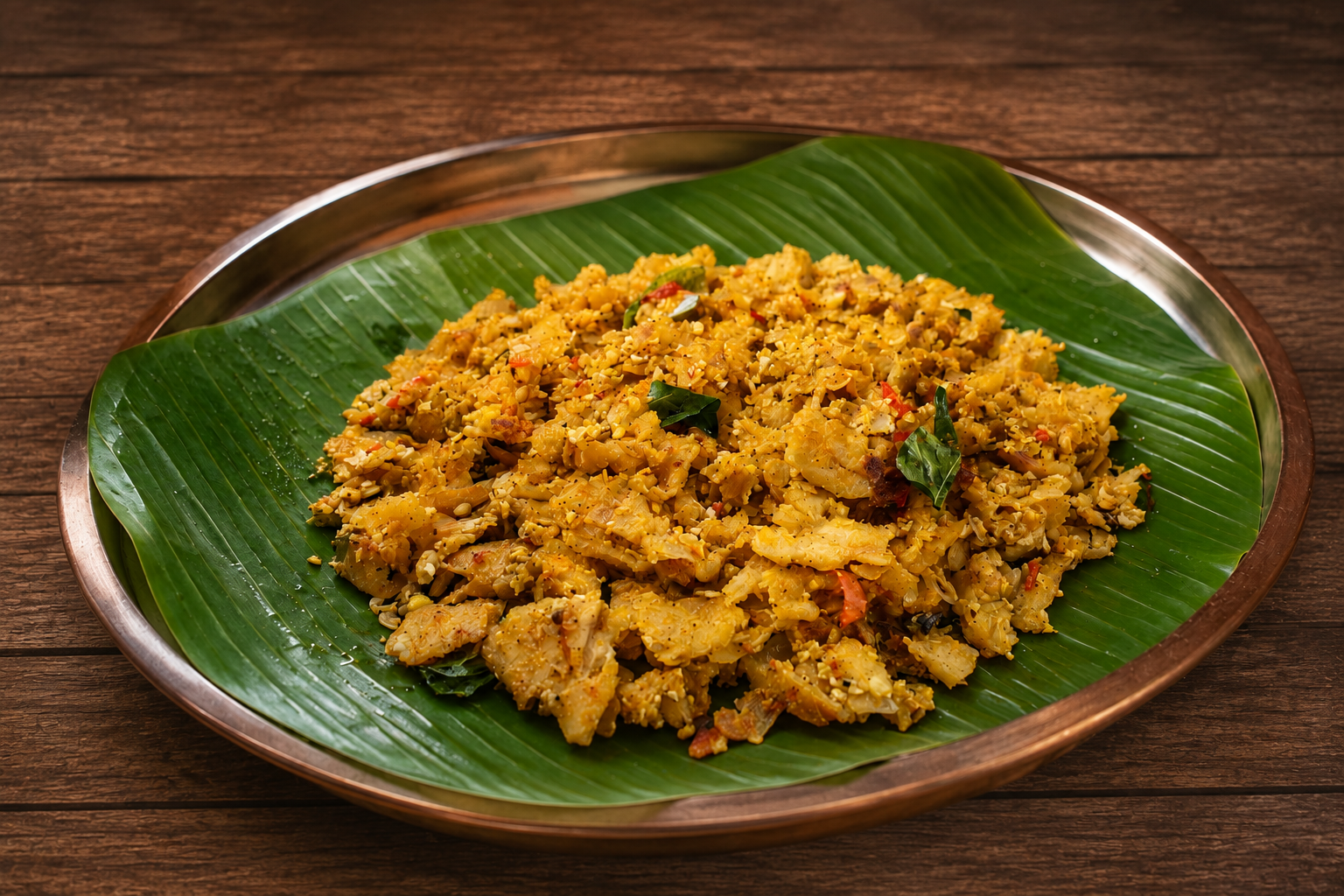
Kothu Parotta: shredded layered flatbread, egg, masala, and a very hot iron griddle. You hear it being made first.
Madurai
Madurai food is bold, fast, and built for the street. The Kothu Parotta is its signature: layered flatbread shredded on a flat iron, tossed with egg and masala, served hot and slightly charred. It arrives at the table still sizzling.
The biryani here is seeraga samba style, a small-grain rice that clings to the masala more than basmati does. Denser, more fragrant, and a completely different eating experience. Dry chicken and mutton dishes carry a roasted spice crust rather than a heavy sauce.
At HeritageOneThe Kothu Parotta is made to order on a cast iron griddle. The seeraga samba biryani has been our top seller since the restaurant opened in 2017.
Full guide to Madurai food in Singapore →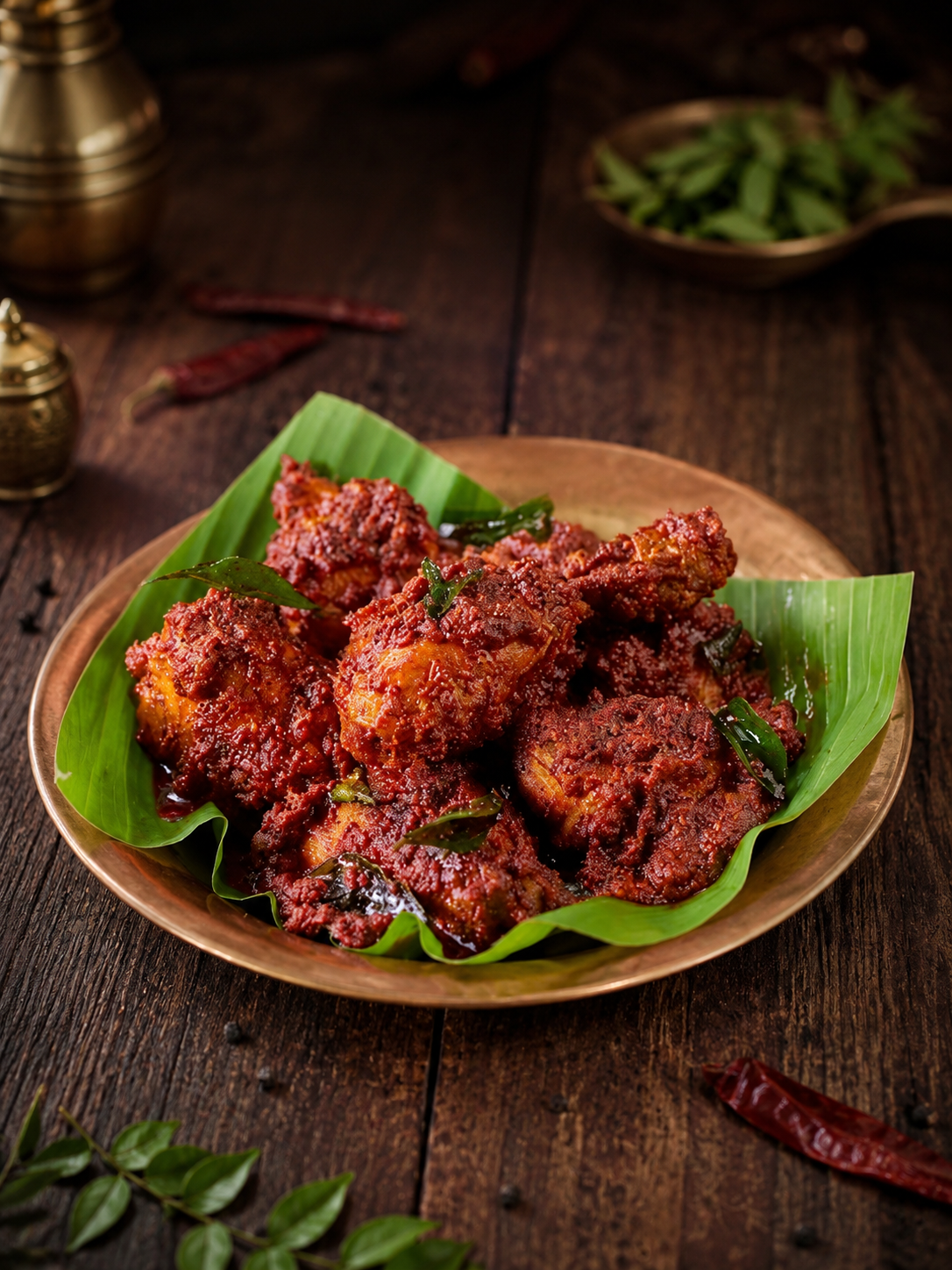
Chicken Ghee Roast. Byadagi chillies, ghee, a low flame. The sauce thickens into something close to a glaze.
Mangalorean (Kudla)
Coastal Karnataka cooking tends to be the one that surprises people most. The Ghee Roast is the centrepiece: chicken or prawns cooked in a masala of Byadagi chillies and ghee over a low flame until the sauce reduces into something thick, dark, and glossy at the edges. It clings rather than pools. The flavour is deeply savoury with a gentle sourness from tamarind.
Fish dishes here use rava fry, fresh fish coated in semolina and pan-fried until the crust is crisp and the flesh stays moist. Neer Dosa, a thin steamed rice crepe, is the ideal companion for anything on the plate.
At HeritageOneThe Chicken Ghee Roast and Kaane Rava Fry are cooked to order using whole Byadagi chillies sourced specifically for this dish.
Full guide to Mangalorean food in Singapore →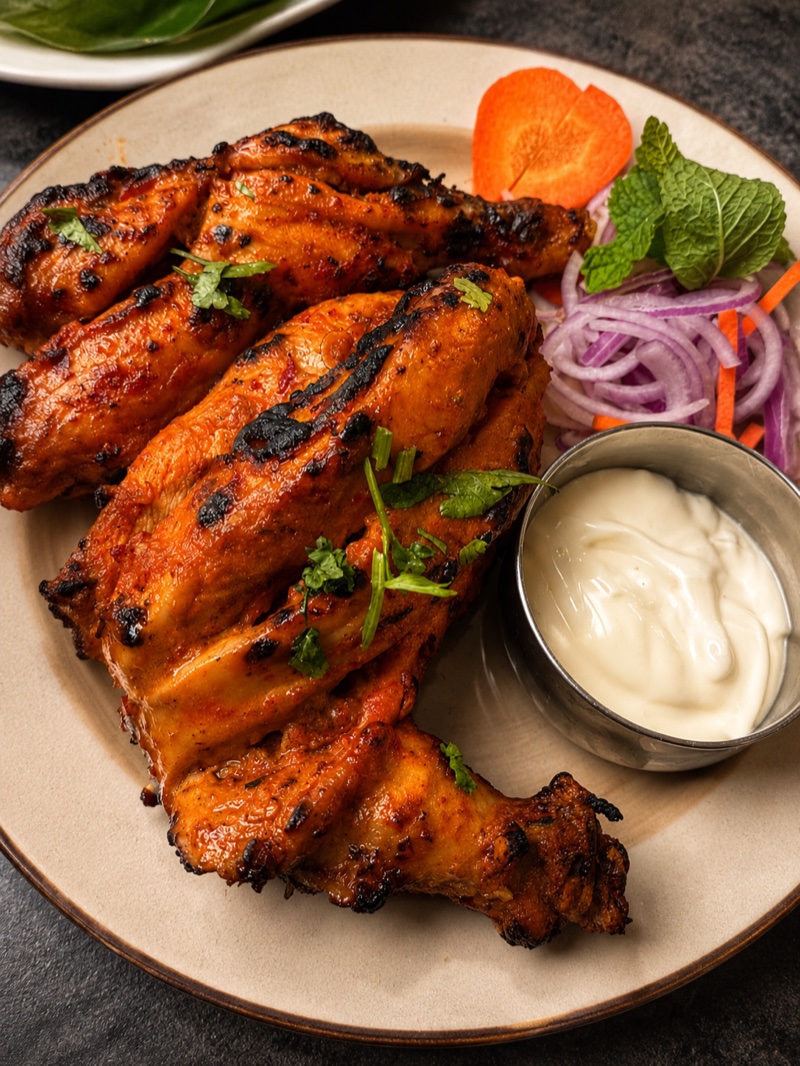
Tandoori Chicken. The char is the point. A clay oven at high heat does what no pan can replicate.
North Indian
North Indian cooking is where most people begin their journey with Indian food, and with good reason. The flavours are generous: butter, cream, slow-reduced tomato, and a tandoor oven that gives meats and breads a smoky char that no other method produces. The Dal Makhani, whole black lentils cooked overnight and finished with butter, is a benchmark dish worth ordering at any North Indian kitchen.
A well-built Butter Chicken carries sweetness from long-cooked tomato, not sugar. A Rogan Josh has body from the bone. These qualities are easy to spot once a guest has tasted them done with care.
At HeritageOneThe Dal Makhani simmers overnight. The tandoor runs daily for Tandoori Chicken, naan, and kulcha cooked to order.
Full guide to North Indian food in Singapore →What Separates a Good Indian Restaurant from a Great One
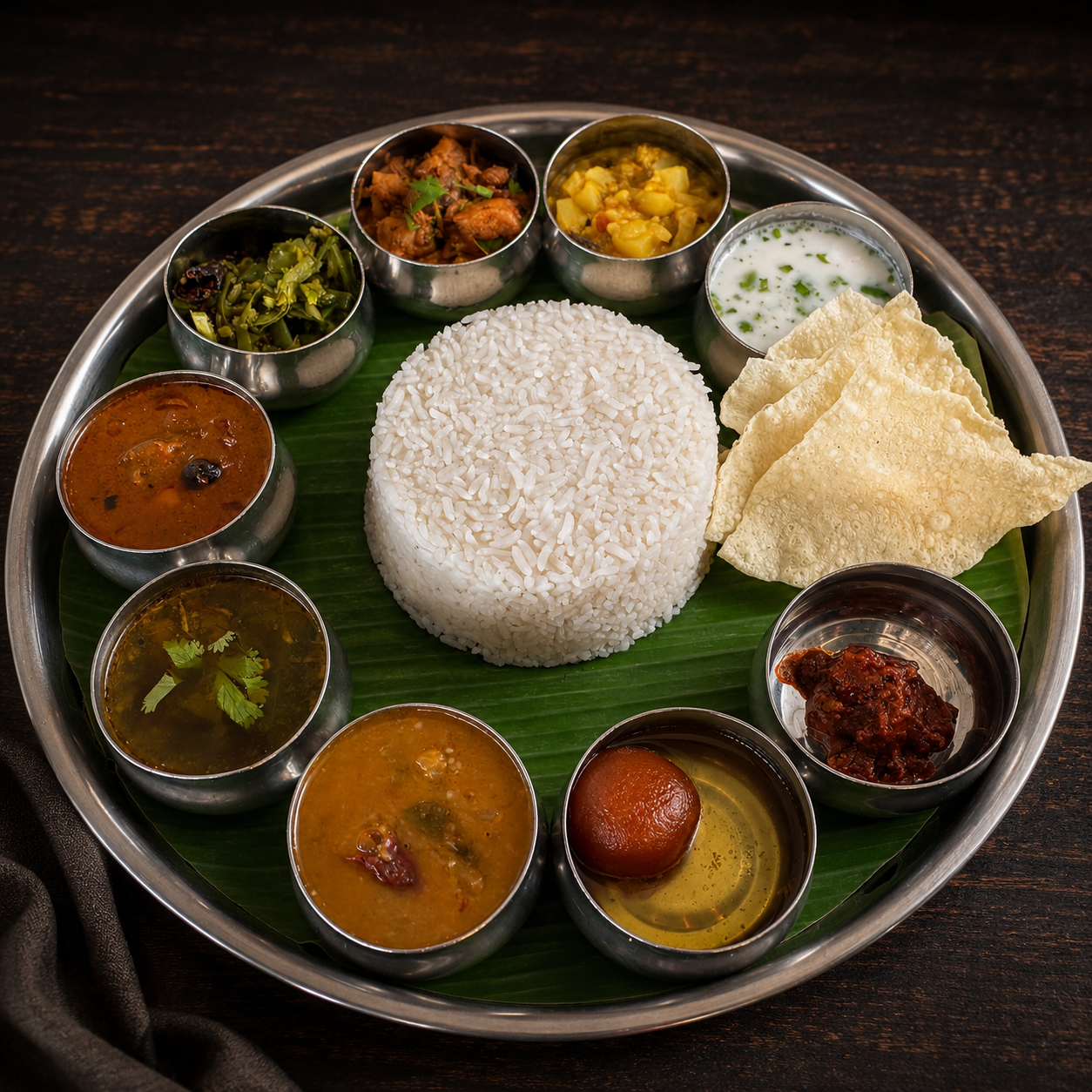
A full spread shows a kitchen's range. The colour variation across dishes is a reliable indicator of distinct spice work.
The menu names the region, not just the dish. A kitchen confident in its cooking will say "Chettinad Chicken Masala" rather than "Spicy Chicken Curry." Regional specificity signals intent.
The biryani is dum-cooked. Proper biryani is sealed in a pot and slow-cooked until the rice absorbs the stock and steam. The grains come out separate and fragrant, not wet. This is the easiest way to read a kitchen's standards.
The spices are ground fresh. Freshly ground masala has a layered brightness that pre-mixed powder cannot match. The heat builds gradually rather than arriving flat. It is noticeable within a few mouthfuls.
Bread arrives hot. Fresh naan or roti from a tandoor is one of the most satisfying things an Indian kitchen can produce. It is a reliable sign that the kitchen is cooking to order.
What to Order on a First Visit
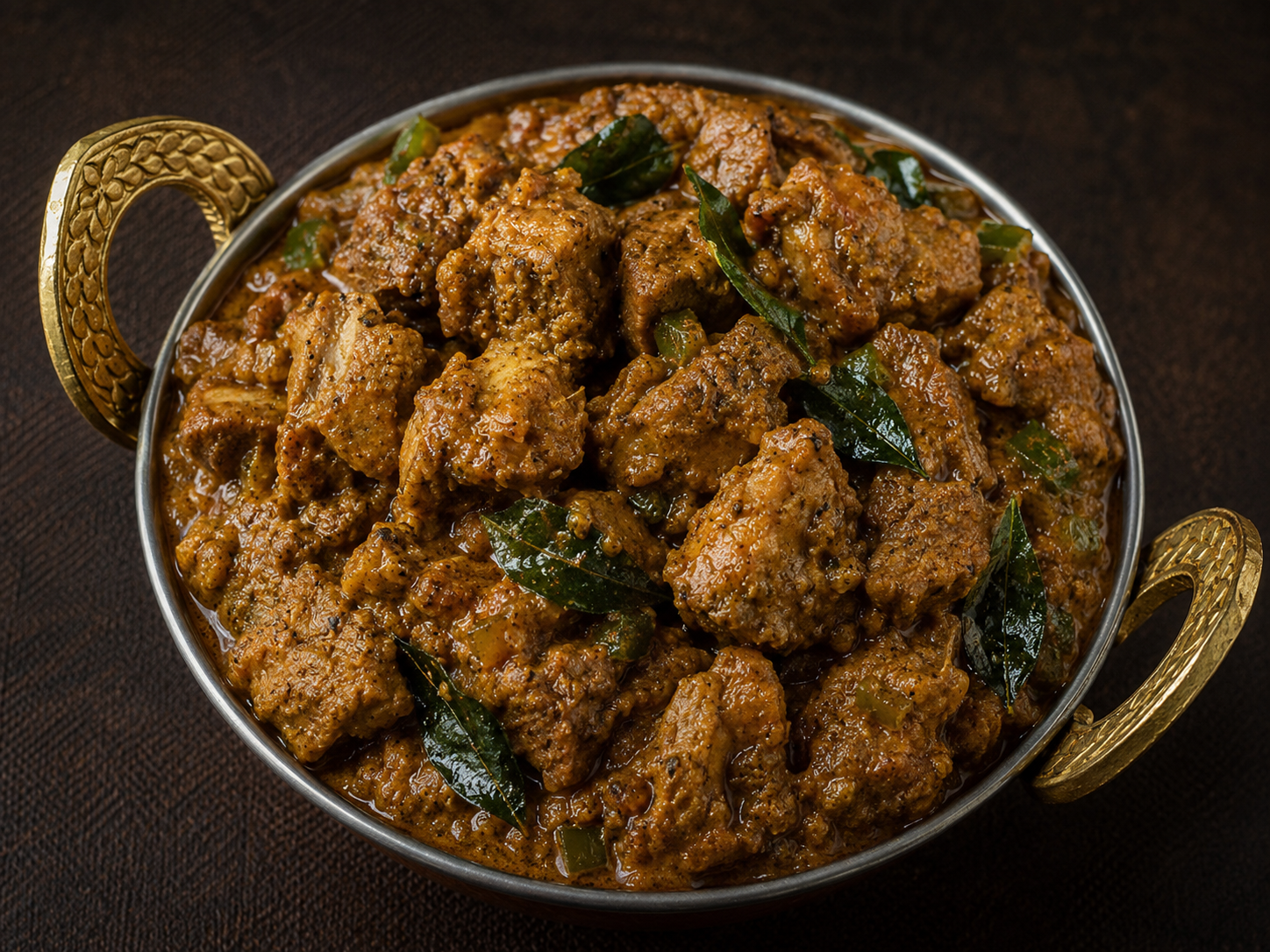
Mutton Milagu Varuval. Dry-cooked, black pepper forward. A dish regulars return to every visit.
These six dishes span all four regional traditions and give a clear picture of what any kitchen is capable of:
- Seeraga Samba Biryani — the small-grain dum-cooked version. The benchmark for the kitchen.
- Chettinad Chicken Masala — slow-cooked, dark, layered with stone flower and dried chillies.
- Kothu Parotta — shredded flatbread, egg, masala, hot griddle. Textural and bold.
- Chicken Ghee Roast — thick, glossy, intensely savoury. The signature Mangalorean dish.
- Dal Makhani — the North Indian standard. Worth ordering at every new kitchen to compare.
- Mutton Milagu Varuval — Chettinad dry-fry, black pepper dominant. A dish regulars order on instinct.
Where to Eat Indian Food in Singapore
Little India, along and around Serangoon Road, has the highest concentration of authentic regional Indian cooking in Singapore. The area has carried this history for more than a century, and the range on offer today covers everything from hawker-style thali counters to full sit-down restaurants serving dishes rarely found outside specific regions of India.
For a sit-down meal covering all four regional traditions under one roof, HeritageOne is at 35 Norris Road, a five-minute walk from Jalan Besar MRT (DT22) and about nine minutes from Little India MRT (NE7). Open daily, 11:30am to 11:30pm.
HeritageOne Restaurant
Authentic Indian Restaurant in Little India
- 35 Norris Road, Singapore 208277
- Daily, 11:30am to 11:30pm
- Chettinad · Madurai · Mangalorean · North Indian
- Dine In · Takeaway · Delivery · Catering
- Halal-friendly options available
Singapore Does This Particularly Well
Singapore has a strong Indian food culture, one built over more than a century by communities that brought their cooking traditions and kept them intact. The Tamil food culture here is not a copy of what exists in India. It has evolved with its own character: adapted to local produce, local tastes, and the standards of people who grew up eating this food and know exactly what it should taste like.
Biryani, Chettinad cooking, South Indian breakfast dishes, and the full range of North Indian restaurant classics are all done with genuine care here. Little India rewards a slow visit. Order something unfamiliar, ask the kitchen what is worth trying that day, and leave time for a second dish.
HeritageOne is open daily in Little India. Walk in or book a table ahead.